
About Us
The Ridgway Industrial Development Corporation and its sister organization, Ridgway Area Industrial Development, are volunteer-led organizations dedicated to strengthening Ridgway’s economy through strategic development. Together, the organizations focus on land ownership, building acquisition, redevelopment, and partnerships that support business growth, job creation, and long-term community stability.
Our work is rooted in local knowledge, guided by data and planning, and carried out in collaboration with public and private partners.
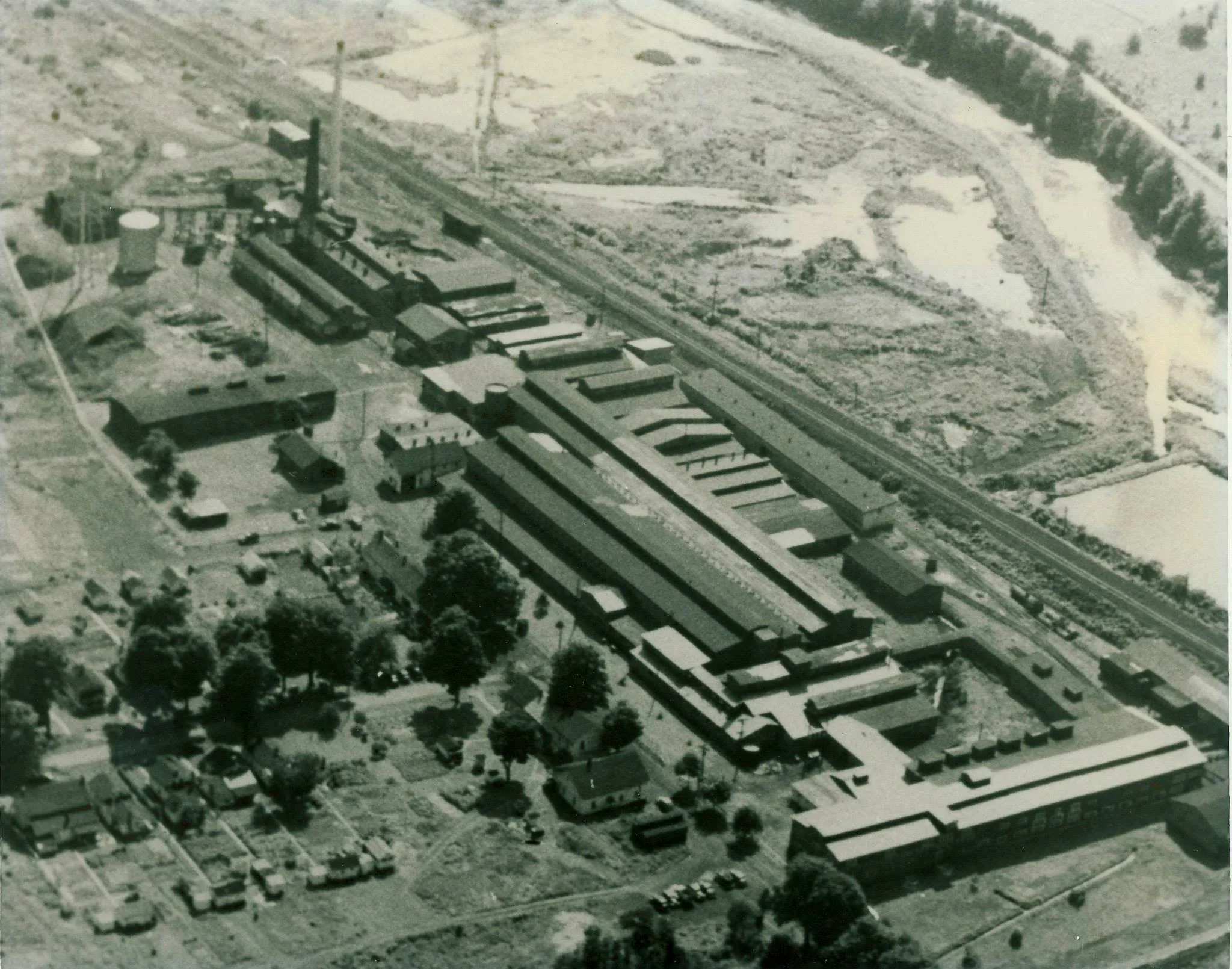
Ridgway, Pennsylvania
Our Origins
Founded in 1959 by a group of forward-thinking local leaders, the Ridgway Industrial Development Corporation was created to help build the industrial foundation of the community. Like many industrial development organizations of its time, RIDC served as a conduit for state funding and worked closely with entrepreneurs to support manufacturing and infrastructure development in Ridgway and Elk County, Pennsylvania.
From the beginning, the organization played a hands-on role in preparing land, supporting facilities, and positioning Ridgway as a place where industry could take root and grow.
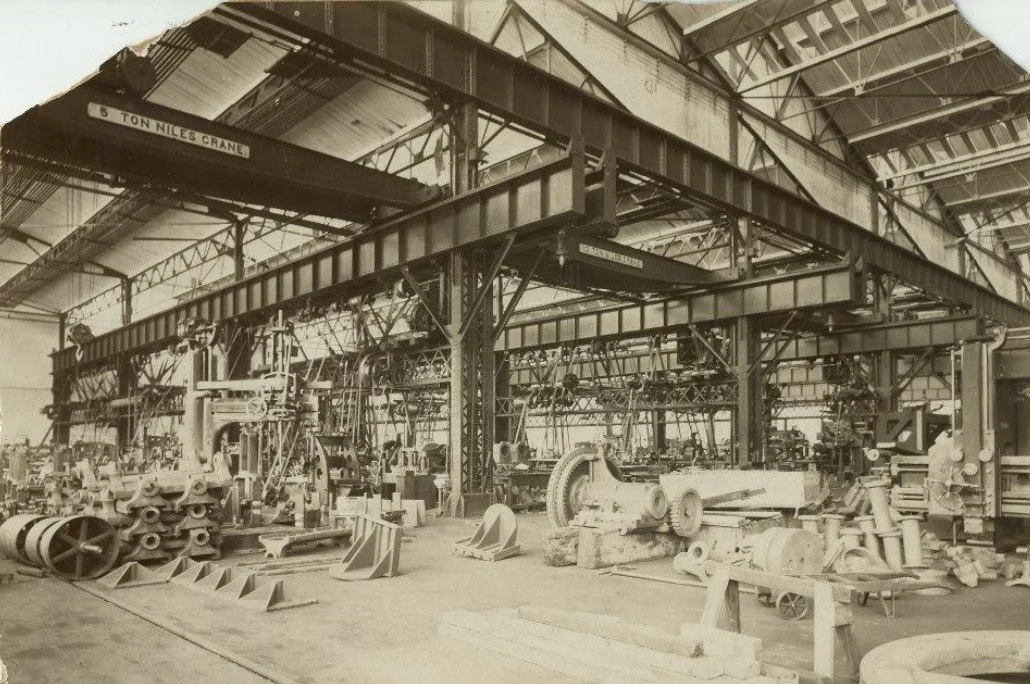
A Lasting Footprint in Ridgway
Over the decades, RIDC’s work has left a visible and lasting imprint across the community. Properties once owned, assembled, or supported by the organization include:
Land now known as The Mills, a 28-acre site south of the Clarion River Bridge
The site of the Ridgway Waste Water Treatment Plant
The Servidea Drive Industrial Park along PA Route 219, named in honor of founding member Frank Servidea
Industrial parcels on Montmorenci and along the Clarion Riverfront
These efforts transformed underutilized land into productive community assets and helped establish Ridgway as a regional employment center..
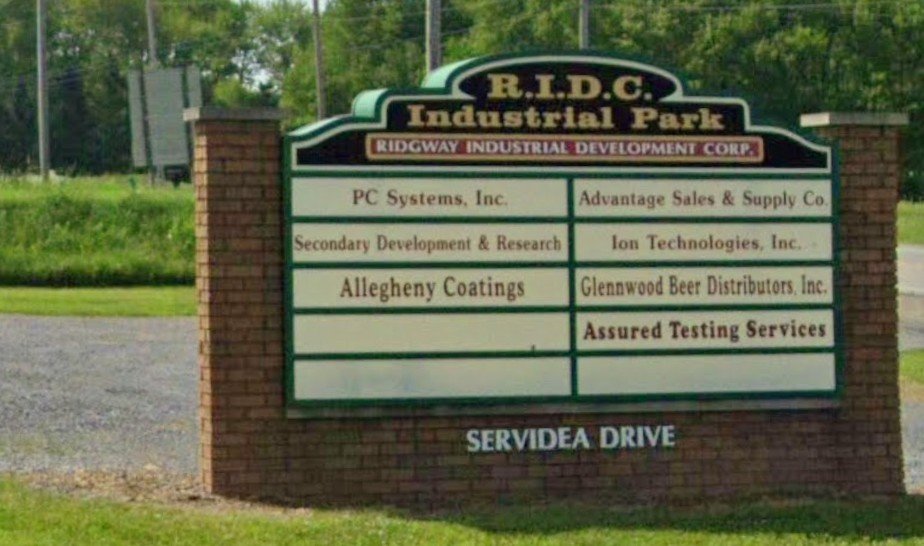
Servidea Drive: A Proven Model
As the Servidea Drive Industrial Park developed, it attracted a diverse mix of employers across manufacturing, technology, testing, and distribution. What was once vacant land became a thriving industrial hub that continues to support jobs and economic activity in the region.
The success of Servidea Drive demonstrated the long-term value of strategic land development and reinforced RIDC’s role as a trusted partner in economic growth.
What was once vacant land is now a thriving employment center.

Reimagining the Mission
In response, RIDC broadened its focus beyond land-only development to include redevelopment, building ownership, and projects that support housing, workforce retention, and quality of life. Studies and planning efforts highlighted two pressing challenges:
A shortage of housing for working-age residents
A declining population in the 25–44 age range
Addressing these challenges required flexibility, creativity, and a willingness to pursue new approaches to economic development.
The Formation of Ridgway Area Industrial Development
In 2017, RIDC faced a critical moment when local investors were prepared to locate a new business outside Ridgway due to a lack of suitable facilities. In response, the organization moved quickly.
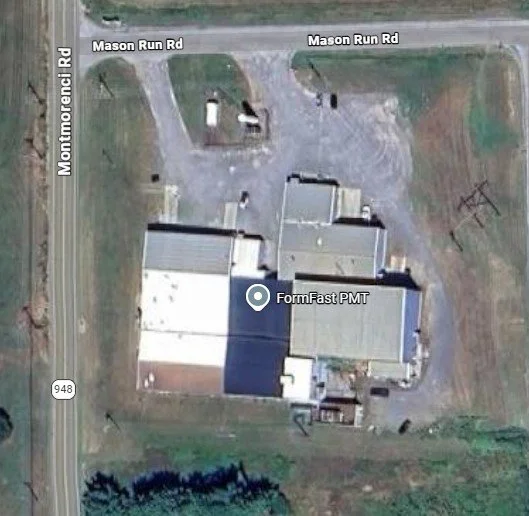
Within 90 days, Ridgway Area Industrial Development was formed as a sister 501(c)(3) nonprofit. The organization acquired a building on Montmorenci from Hoeganaes Corporation, creating an industrial incubator space that could support growing manufacturers.
That building is now home to FormFast Powdered Metal Technology and previously served as the first location for APG-MIM, a division of Nichols Portland, LLC. This marked the first time the organizations owned buildings rather than land alone, demonstrating their ability to adapt and act decisively.
Strategic Investment: The Tannery Drive Property
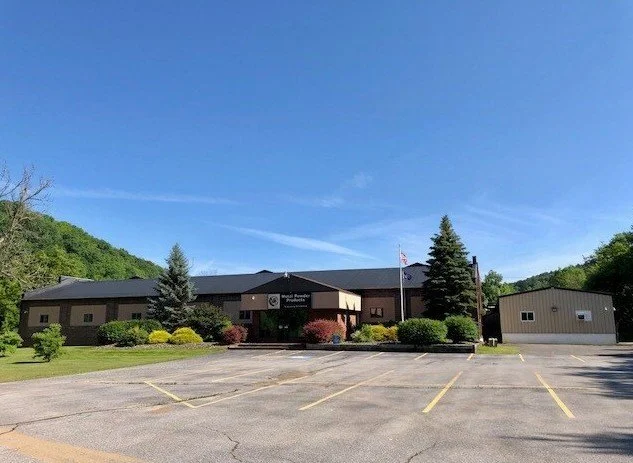
In late 2019, Metal Powdered Products announced the closure of its Ridgway facility. Within days, RIDC and Ridgway AID developed a plan and acquired the property, which included:
14 acres along the Clarion River
A 54,000 square foot industrial building
While the COVID-19 pandemic slowed redevelopment efforts, site improvements continued. The building was later sold to another regional manufacturer, bringing new jobs to Ridgway, while nine acres of riverfront land were retained for future development.
Collaboration at the Core
Collaboration is central to how RIDC and Ridgway AID operate. The organizations work closely with regional planning agencies, economic development partners, and local government to ensure projects align with broader community goals.
Board members and leadership also serve across a wide range of local and regional organizations, helping maintain strong connections and shared priorities throughout the community.
Organizational Transition (2015–2016)
By the mid-2010s, many of RIDC’s original land holdings had been sold and fully developed, and regional economic development structures were changing. During this period, the organization undertook a careful reassessment of its role, purpose, and future direction.
This evaluation made clear that while the tools had changed, the need for local, nimble economic development leadership had not.

Looking Ahead
Today, RIDC and Ridgway AID manage approximately $1.6 million in assets that are actively reinvested into Ridgway’s future. Through grant funding, partnerships, and strategic planning, the organizations remain focused on:
Supporting business growth and job creation
Encouraging redevelopment and infrastructure investment
Enabling housing and workforce retention
Strengthening the local tax base
Always practical, always forward-looking, and always committed to turning ambitious ideas into tangible outcomes for Ridgway.